Peptide Quality Control: The Foundation of Reliable Research Peptides
Peptide quality control is a critical component of peptide manufacturing and research, ensuring that every product meets strict standards for purity, identity, consistency, and performance. As the demand for high-quality research peptides continues to grow, robust quality control procedures have become essential for maintaining confidence in peptide products and supporting accurate scientific investigations.
The primary goal of peptide control is to verify that a peptide has been manufactured according to established specifications. This process begins during production and continues through every stage of testing, packaging, and distribution. Comprehensive quality control measures help identify potential impurities, confirm molecular identity, and ensure batch-to-batch consistency.
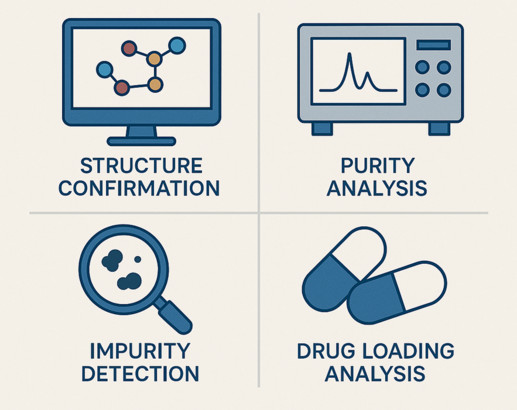
One of the most important aspects of peptide quality control is analytical testing. Advanced techniques such as High-Performance Liquid Chromatography (HPLC) are commonly used to evaluate peptide purity by measuring the percentage of the target peptide present in a sample. Mass Spectrometry (MS) is also widely utilized to confirm molecular weight and verify peptide identity. Together, these analytical methods provide valuable data that supports product quality and reliability.
In addition to purity and identity testing, peptide control may include visual inspection, stability evaluation, moisture content analysis, and packaging verification. These assessments help ensure that peptides maintain their integrity throughout storage and handling. Effective quality control protocols reduce variability and contribute to more reproducible research outcomes.
Manufacturers that prioritize peptide
control often implement standardized operating procedures and strict documentation practices. Batch records, testing reports, and certificates of analysis provide transparency and allow researchers to review critical product information before selecting peptides for their studies. This commitment to quality assurance helps build trust between suppliers and research professionals.
Independent verification can further strengthen peptide quality control programs. Third-party laboratory testing offers an additional layer of validation, confirming that analytical results are accurate and unbiased. Researchers frequently seek suppliers that provide third-party tested peptides and detailed quality documentation.
As the peptide industry continues to evolve, peptide quality control remains a cornerstone of scientific excellence. By combining advanced analytical testing, rigorous manufacturing standards, and comprehensive quality assurance procedures, suppliers can deliver reliable peptide products that support consistent research results. Strong quality control practices ultimately help researchers work with greater confidence while promoting accuracy, reproducibility, and integrity in scientific studies.