Peptide Testing: A Critical Step in Quality Assurance
peptide purity testing plays a vital role in ensuring the quality, consistency, and reliability of research peptides. As peptides are increasingly used in scientific studies and laboratory research, verifying their purity has become an essential component of quality assurance. Purity testing helps researchers confirm that a peptide product meets established specifications and contains the intended compound at the expected concentration.
The primary objective of peptide purity testing is to identify and quantify the percentage of the desired peptide present in a sample while detecting any impurities that may have been introduced during synthesis, processing, or storage. High-purity peptides are essential for achieving accurate and reproducible research results, making purity testing a fundamental requirement in peptide manufacturing.
One of the most widely used methods for peptide testing is High-Performance Liquid Chromatography (HPLC). This analytical technique separates peptide components and provides detailed information about the purity level of a sample. HPLC results are often reported as a percentage, allowing researchers to evaluate whether a peptide meets their specific research requirements. High-purity peptides typically demonstrate purity levels exceeding industry standards for research applications.
Mass Spectrometry (MS) is another important analytical tool used alongside HPLC. While HPLC measures purity, mass spectrometry confirms the molecular weight and identity of the peptide. Together, these methods provide a comprehensive assessment of product quality and help verify that the peptide matches the intended molecular structure.
Effective peptide purity testing also contributes to batch-to-batch consistency. Manufacturers rely on analytical testing to ensure that every production batch meets strict quality standards before release. This consistency is critical for researchers who require dependable materials for ongoing studies and experimental validation.
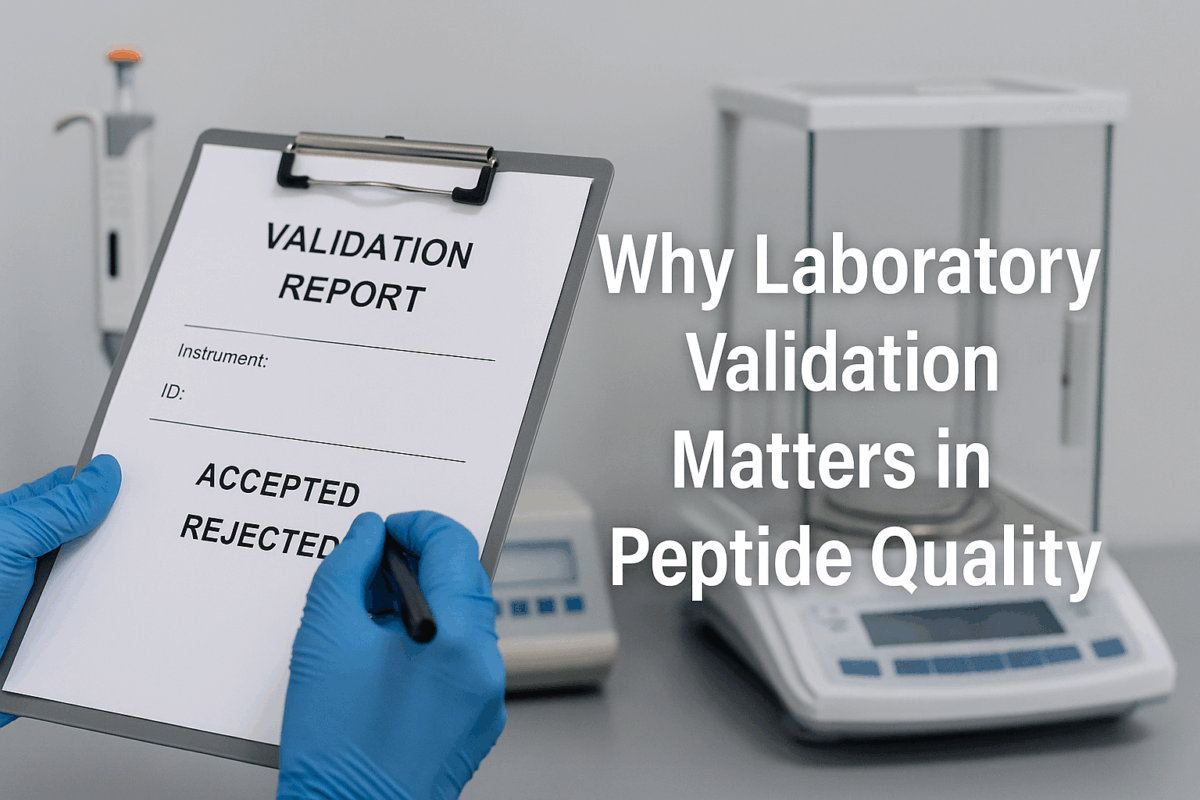
Many reputable suppliers provide Certificates of Analysis (COAs) that include peptide testing results. These documents offer transparency and allow researchers to review analytical data before selecting a product. Third-party testing may also be used to provide independent verification of purity and quality.
As the peptide industry continues to advance, peptid testing remains one of the most important quality control measures available. Through rigorous analytical evaluation, manufacturers can deliver high-quality peptide products that support scientific integrity, reproducibility, and confidence in research outcomes. Reliable purity testing ultimately helps ensure that researchers receive peptides that meet the highest standards of quality and performance.