Peptide Certificate of Analysis: Ensuring Quality and Transparency
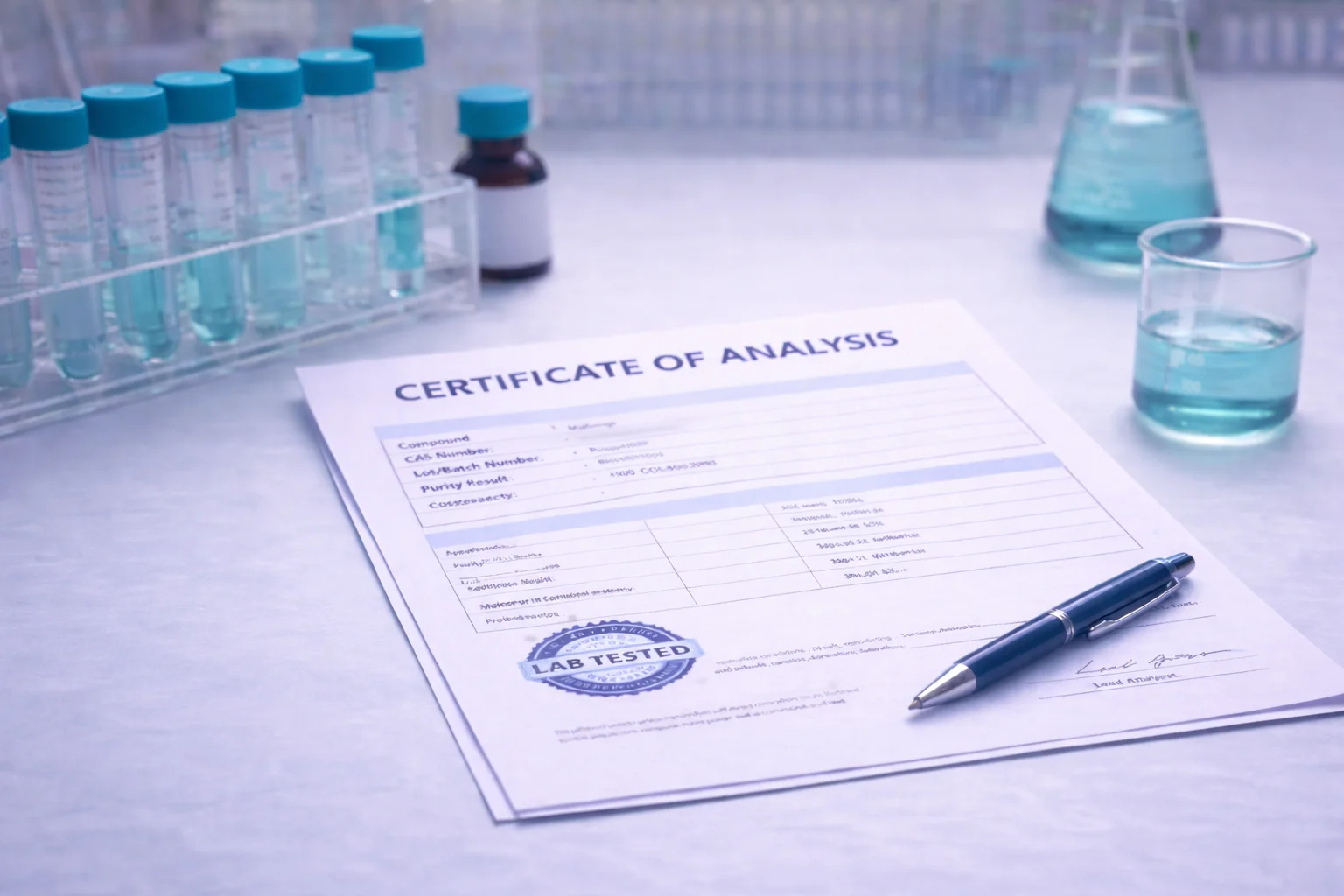
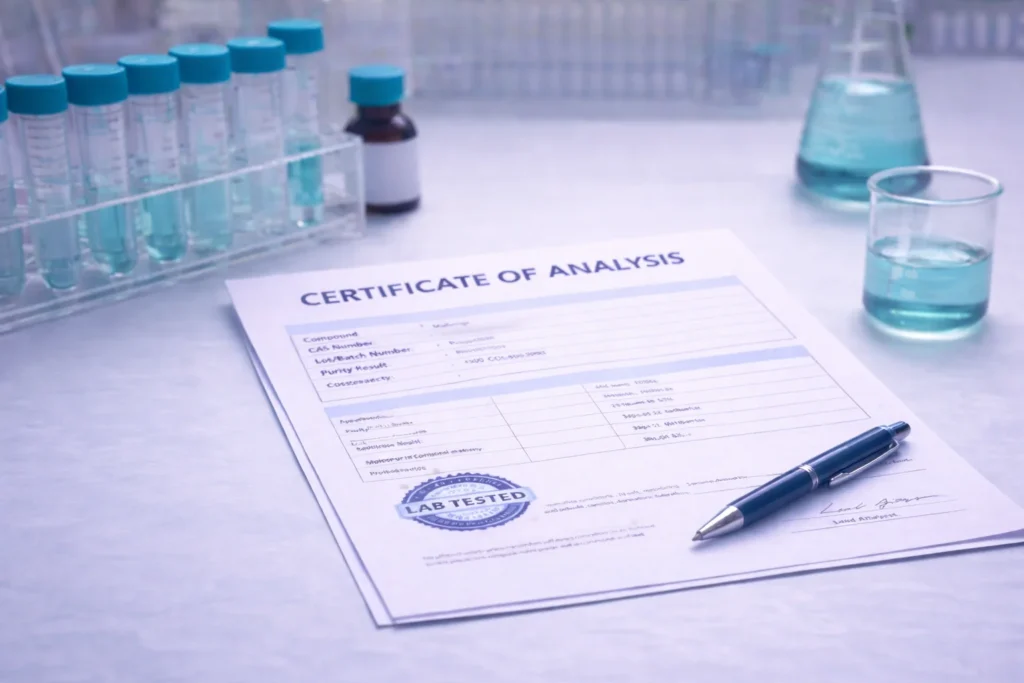
A peptide certificate of analysis (COA) is one of the most important documents available for verifying the quality, purity, and authenticity of research peptides. It serves as a detailed report that provides researchers with critical information about a peptide product, including testing results, analytical data, batch identification, and quality control measures. A reliable peptide certificate s helps ensure confidence in research materials and supports accurate scientific investigations.
The primary purpose of a peptide certificate of analysis is to confirm that a peptide meets specified quality standards. The document typically includes information such as the product name, batch number, manufacturing date, testing date, and analytical results. Researchers use this information to verify that the peptide they receive matches the manufacturer’s stated specifications and purity requirements.
Analytical testing methods commonly included in a peptide certificate of analysis are High-Performance Liquid Chromatography (HPLC) and Mass Spectrometry (MS). HPLC testing is used to determine peptide purity by measuring the percentage of the desired peptide present in a sample. Mass spectrometry helps confirm the molecular weight and identity of the peptide, ensuring that the correct compound has been produced and tested.
A comprehensive peptide certificate of analysis may also include appearance testing, solubility data, storage recommendations, and additional quality control results. These details provide valuable insights into the characteristics and stability of the peptide product. By reviewing a COA, researchers can make informed decisions regarding product selection and suitability for their specific research applications.
Transparency is a key benefit of providing a peptide certificate of analysis. Suppliers that offer readily accessible COAs demonstrate a commitment to quality assurance and customer confidence. Independent or third-party testing can further strengthen the credibility of analytical results and provide an additional layer of verification.
As demand for high-quality research peptides continues to grow, the peptide certificate of analysis remains a critical tool for ensuring product integrity. Researchers, laboratories, and institutions rely on COAs to validate purity, confirm identity, and support reproducible scientific outcomes. Choosing peptide products accompanied by detailed certificates of analysis helps promote consistency, reliability, and confidence throughout the research process.