How to Read a Peptide Certificate of Analysis | Understanding COA Testing Results
How to Read a Peptide Certificate of Analysis
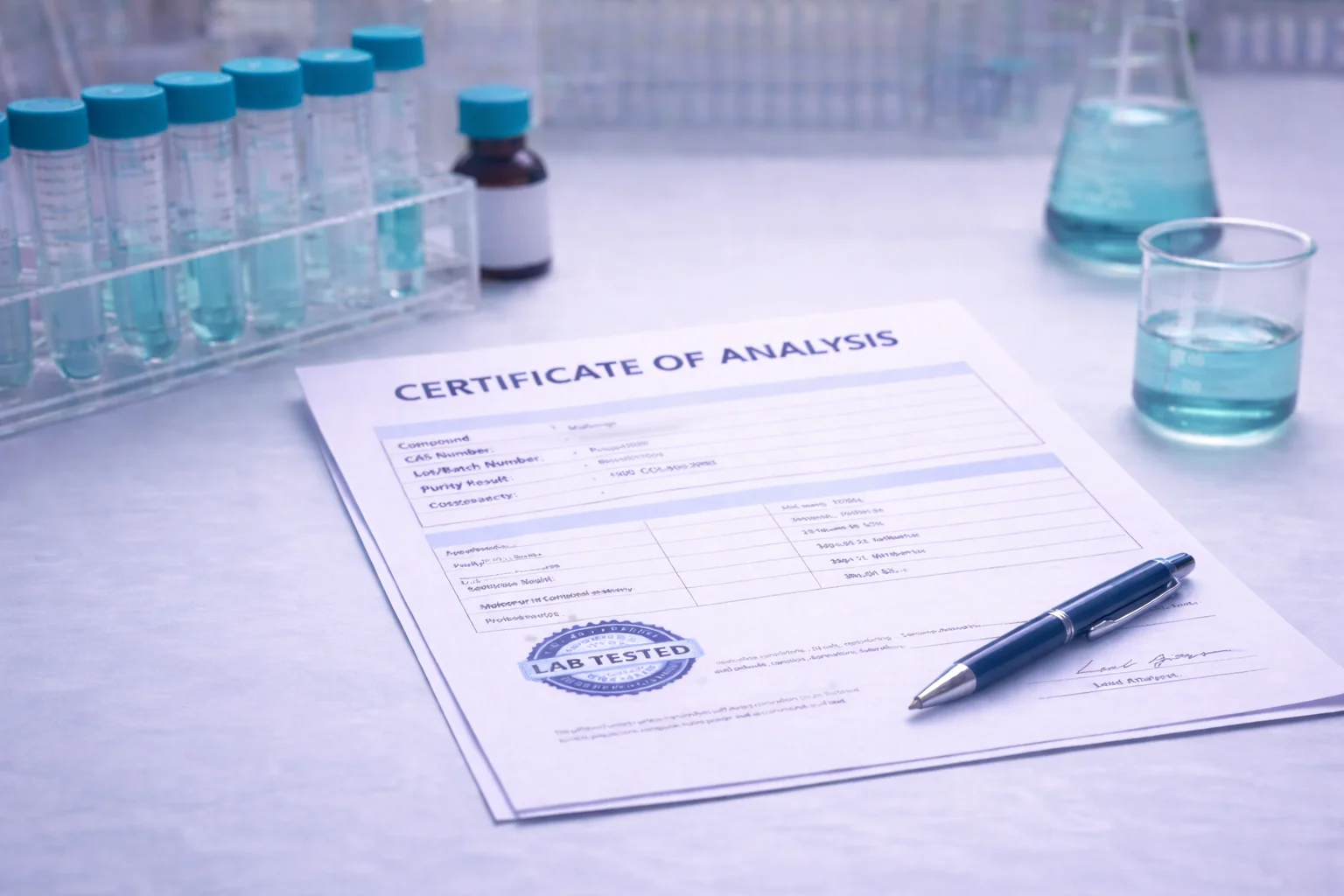
A peptide Certificate of Analysis (COA) is one of the most important documents researchers can review when evaluating the quality and authenticity of peptide products. A COA provides detailed information about a specific peptide batch, including purity levels, testing methods, product identification, and quality control results. Understanding how to read a peptide Certificate of Analysis can help researchers make informed decisions and ensure they are selecting products that meet high standards for scientific research.
The first section of a peptide Certificate of Analysis typically contains basic product information. This includes the peptide name, batch or lot number, manufacturing date, testing date, and product identification details. Researchers should verify that this information matches the product they have received. Batch numbers are particularly important because they allow testing results to be traced to a specific production lot.
One of the most important elements of a peptide COA is the purity result. Purity is commonly measured using High-Performance Liquid Chromatography (HPLC), a widely accepted analytical technique for peptide testing. The purity percentage indicates how much of the sample consists of the intended peptide compared to impurities or byproducts. Higher purity levels generally reflect a more refined product and demonstrate effective manufacturing and purification processes.
Another critical section of the Certificate of Analysis is molecular identity verification. This information is often confirmed using Mass Spectrometry (MS). Mass spectrometry measures the molecular weight of the peptide and helps verify that the synthesized compound matches the expected molecular structure. Researchers should review this section to ensure that the reported molecular weight aligns with the product specifications.
Many peptide Certificates of Analysis also include appearance and physical characteristic evaluations. These observations may describe the peptide as a lyophilized powder and provide details regarding color, consistency, or other visual characteristics. While these assessments are simple, they contribute to the overall quality review process.
Additional sections may include storage recommendations, moisture content results, and stability information. These details help researchers understand how the peptide should be handled and stored to maintain product integrity over time. Proper storage conditions are important for preserving peptide quality and ensuring reliable research outcomes.
When reviewing a COA, researchers should also pay attention to the testing laboratory information. Some suppliers perform testing internally, while others utilize independent third-party laboratories. Third-party verification can provide an additional layer of confidence because testing results are confirmed by an unbiased source.
Understanding how to read a peptide Certificate of Analysis empowers researchers to evaluate product quality more effectively. By reviewing purity data, molecular verification results, batch information, and testing methodologies, researchers can make informed purchasing decisions and select peptide products that meet rigorous quality standards. A detailed COA serves as a valuable tool for ensuring transparency, consistency, and confidence in peptide research.