Laboratory Tested Peptides : Ensuring Quality and Reliability in Research
Laboratory tested peptides are an essential component of modern scientific research, providing researchers with confidence in the quality, purity, and consistency of their materials. As the demand for high-quality peptide products continues to increase, comprehensive laboratory testing has become a critical part of the manufacturing and quality assurance process. Through advanced analytical methods and strict quality control protocols, laboratory tested peptides help ensure that researchers receive products that meet established specifications and performance standards.
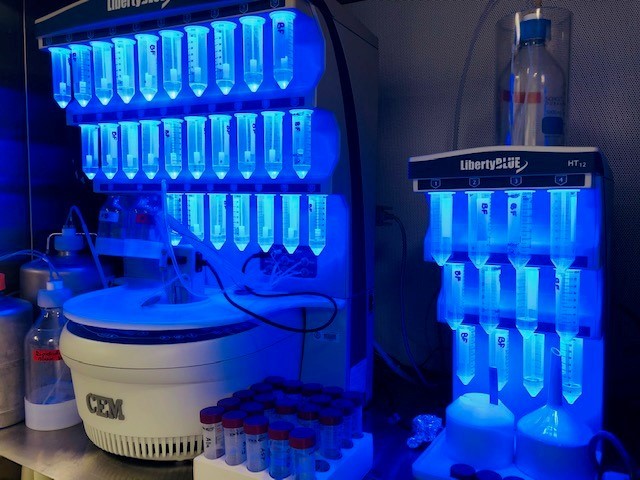
The purpose of laboratory testing is to verify that a peptide product contains the intended compound and meets defined purity requirements. Testing also helps identify potential impurities, contaminants, or variations that could affect research outcomes. By performing rigorous analytical evaluations, manufacturers can confirm product quality before peptides are released for research applications.
One of the most widely used methods for evaluating laboratory tested peptides is High-Performance Liquid Chromatography (HPLC). This analytical technique measures peptide purity by separating compounds within a sample and determining the percentage of the target peptide present. HPLC testing provides valuable data that helps researchers assess the quality and consistency of peptide products.
Mass Spectrometry (MS) is another key analytical tool used during peptide testing. While HPLC focuses on purity, mass spectrometry confirms molecular weight and peptide identity. Together, these testing methods provide comprehensive verification that the peptide matches the intended structure and specifications. The combination of HPLC and MS testing is widely recognized as an industry standard for peptide quality assessment.
Laboratory tested peptides also benefit from additional quality control procedures that may include visual inspections, moisture analysis, stability assessments, and packaging verification. These evaluations help ensure product integrity throughout manufacturing, storage, and distribution. Comprehensive testing programs contribute to batch-to-batch consistency and support reliable research outcomes.
Many reputable peptide manufacturers provide Certificates of Analysis (COAs) that document laboratory testing results. These certificates typically include information about purity levels, molecular weight verification, batch identification, and analytical methods used during testing. Access to detailed testing documentation promotes transparency and allows researchers to make informed purchasing decisions.
Third-party laboratory testing can further strengthen confidence in peptide quality. Independent verification provides an unbiased assessment of analytical results and demonstrates a commitment to transparency and quality assurance. Researchers often prioritize suppliers that offer both internal and third-party testing programs.
As scientific research continues to evolve, laboratory tested peptides remain a cornerstone of quality assurance within the peptide industry. Through advanced analytical testing, comprehensive quality control measures, and transparent documentation, manufacturers can provide peptide products that support reproducibility, consistency, and confidence in research. Choosing laboratory tested peptides helps researchers work with reliable materials while maintaining high standards of scientific integrity and excellence.