
Differences Between Common Research Peptides
Research peptides have become an important area of scientific investigation due to their diverse structures and potential applications in laboratory studies. While peptides share a common foundation as chains of amino acids, individual peptides can differ significantly in composition, molecular structure, stability, and research focus. Understanding the differences between common research peptides helps researchers select appropriate compounds for their scientific objectives and better interpret experimental results.
One of the primary differences between research peptides is their amino acid sequence. The specific arrangement of amino acids determines the peptide’s structure and characteristics. Even small changes in sequence can alter how a peptide behaves during laboratory analysis. As a result, researchers often evaluate peptide composition carefully when selecting materials for research purposes.
Research peptides also vary in molecular size. Some peptides consist of relatively short amino acid chains, while others contain more complex structures with additional amino acids. Molecular size can influence factors such as stability, solubility, and analytical performance. Understanding these differences is important when designing research protocols and evaluating experimental outcomes.
Another key distinction among common research peptides involves their intended area of scientific investigation. Different peptides are frequently studied within specific research categories. For example, some peptides are commonly examined in studies related to cellular signaling, while others may be investigated for their role in protein interactions, tissue-related research, metabolic pathways, or molecular communication processes. The unique characteristics of each peptide contribute to its relevance within particular research fields.
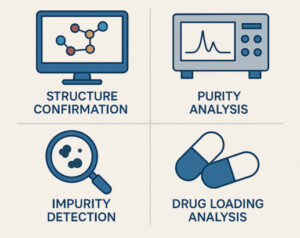
Purity and quality specifications are also important considerations when comparing research peptides. High-quality peptide products are typically evaluated using analytical techniques such as High-Performance Liquid Chromatography (HPLC) and Mass Spectrometry (MS). These testing methods help verify purity, identity, and consistency across different peptide products. Researchers should review Certificates of Analysis (COAs) to confirm that selected peptides meet established quality standards.
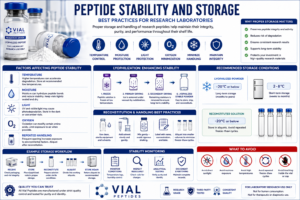
Storage and handling requirements may vary between peptides as well. Certain peptides demonstrate greater stability under specific storage conditions, while others may require additional precautions to preserve product integrity. Following manufacturer recommendations helps ensure that peptide quality is maintained throughout the research process.
Another factor that distinguishes research peptides is their synthesis and manufacturing complexity. Some peptides can be synthesized relatively easily, while others require more advanced production methods due to their sequence length or structural characteristics. Manufacturing complexity can influence quality control requirements and analytical testing procedures.
Researchers often compare peptides based on factors such as molecular composition, purity, stability, analytical data, and intended research applications. Understanding these differences allows scientists to make informed decisions when selecting peptide products and developing research methodologies.
As peptide science continues to advance, the variety of available research peptides continues to expand. By understanding the differences between common research peptides, researchers can better evaluate product specifications, select appropriate materials, and support more accurate and reproducible scientific investigations. Careful peptide selection remains an important component of successful laboratory research and quality scientific outcomes.